
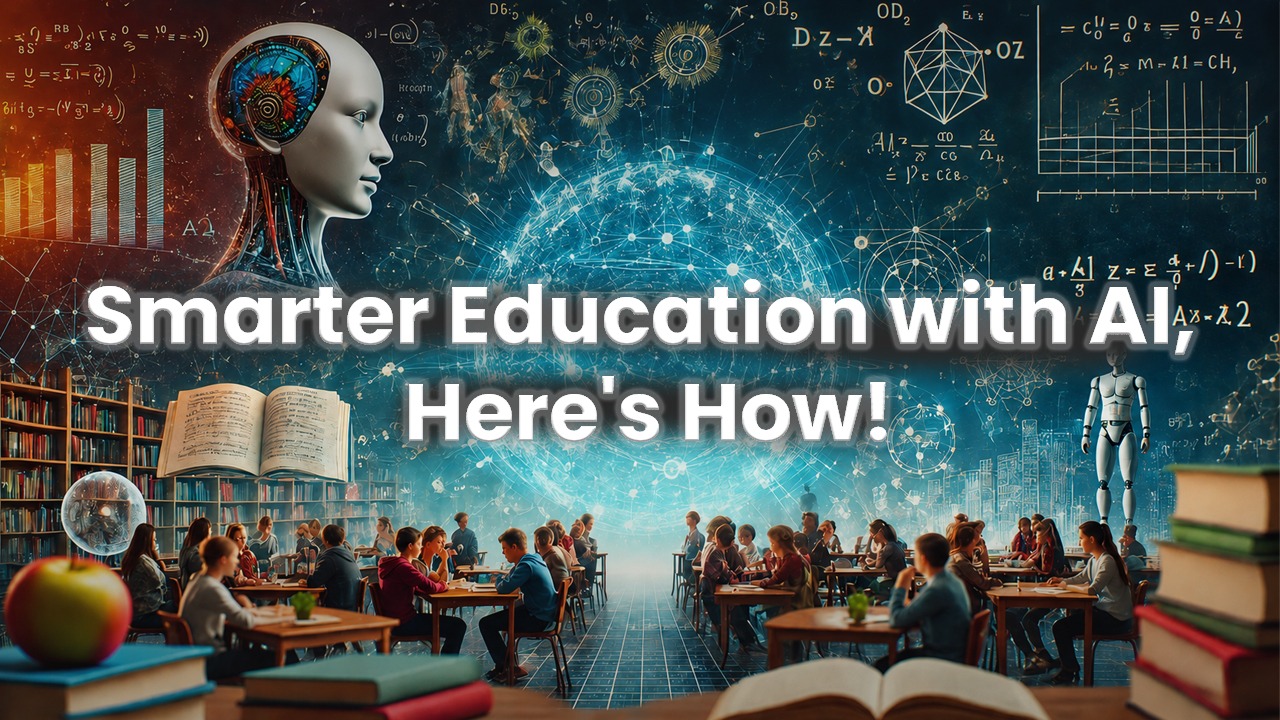
Why AI is the Key to Competitive Advantage in Education Technology
- HSB Infotech
- June 11, 2026
- No Comments
Education technology is no longer limited to online classes and digital learning materials. Over the years, students’ expectations have significantly changed, pushing e-learning platforms to deliver experiences that are more interactive, personalised, and efficient. This shift is one of the biggest reasons AI is becoming central to modern EduTech. Today, AI in Education is not simply improving educational platforms; it is helping the education industry create stronger, more effective learning platforms that give a long-term competitive advantage.
AI is not just transforming platforms but also changing what students and institutions expect from modern learning systems.
Why Traditional EduTech Is No Longer Enough?
As education technology platforms became more common, students’ expectations also began to evolve. Having access to learning materials is no longer enough to keep users engaged. Students began to expect faster support, smoother learning, personalised recommendations, and real-time feedback.
At the same time, institutions also started looking beyond accessibility. They want platforms that could improve students’ performance, increase engagement, and provide measurable learning outcomes.
The focus gradually moved from simply delivering content to creating a learning experience that felt more adaptive and responsive. As competition increased, the educational industry is finding new ways to stand out.
How AI Started Transforming Learning Experience?
The transformations started when education platforms started using data more intelligently. Every quiz, search, course interaction, and learning pattern began helping platforms understand how students learn and where they struggle most.
This is where artificial intelligence started changing the learning experience. Instead of offering the same content and pace to every student, AI-powered systems could adapt based on individual progress and behaviour.
Over time, this introduced features such as:
- Personalised learning recommendations
- Adaptive assessments
- AI-powered tutoring support
- AI-powered student analytics
- Predictive performance analysis
These improvements made learning more flexible. Students no longer had to follow a completely fixed learning path, while institutions gained better visibility into student engagement and performance.
Competitive Advantages in AI in Education
As the education technology market becomes more competitive, delivering courses alone is no longer enough for long-term growth. Platforms are now competing based on how effectively they engage students, improve learning outcomes, and create personalised experiences at scale.
This is where Al provides a major competitive advantage.
AI-driven future tech education can understand user behaviour, adapt content, and provide faster support without increasing operational complexity.
Features such as personalised learning, intelligent recommendations, automation in education, and adaptive learning systems are becoming a major part of modern educational experiences.
As expectations continue to rise, AI is just optional; it’s a requirement in modern educational technology. Platforms that integrate AI into the learning experience are most likely to build stronger user trust and maintain long-term competitive advantage.
The Challenges Behind AI-Driven Learning
Despite its advantages, integrating AI into education comes with challenges. As platforms become more intelligent and data-driven, concerns around privacy, accuracy, and overdependence on automation are also increasing.
If AI systems rely too heavily on data without understanding individual learning contexts, the experience can start feeling impersonal. Similarly, excessive automation or constant notifications can reduce engagement rather than increase it.
Challenges such as data privacy, a lack of human interaction, and overdependence on automation continue to raise concerns as smart education systems become more advanced.
The Future of AI in Learning Platforms
As educational technology continues evolving, the focus is gradually shifting from simply delivering content to creating learning experiences that feel more responsive and efficient. Students no longer want platforms that only provide information. They expect systems that understand their progress, simplify learning, and offer support at the right time.
This is one of the main reasons AI in education is expected to play an even bigger role in the future of EduTech. Also, the growing adoption of data-driven learning solutions is helping institutions analyse student performance and increase engagement. This allows educational platforms to create more personalised and effective learning experiences.
For businesses and institutions, this shift is becoming an important part of digital transformation. Educational platforms that successfully combine personalisation, automation, and user-focused experiences are more likely to stand out in this competitive market.